


Brewerie Menaresta: The Story of a Craft Beer Icon from Brianza
This article has been written by Impronta Birraia
Introduction
In the landscape of Italian craft beer, some producers become known for a single signature style, while others build their reputation through curiosity, experimentation and a strong connection with their territory. Brewerie Menaresta belongs firmly to the second group.
Founded in 2007 in Carate Brianza, near Milan, Menaresta combines technical precision with agricultural culture, local stories and a playful approach to brewing. Its range includes crisp lagers, traditional British-inspired ales, hop-forward beers, seasonal recipes, barrel-aged creations and dry ciders. Despite this diversity, every product follows the same guiding principles: quality, balance, originality and drinkability.
The story of Brewerie Menaresta is therefore not simply about the growth of an independent producer. It is about transforming ingredients, memories and landscapes into beers that have something meaningful to tell.

BEVERA - German Pilsner 33cl (24 cans)
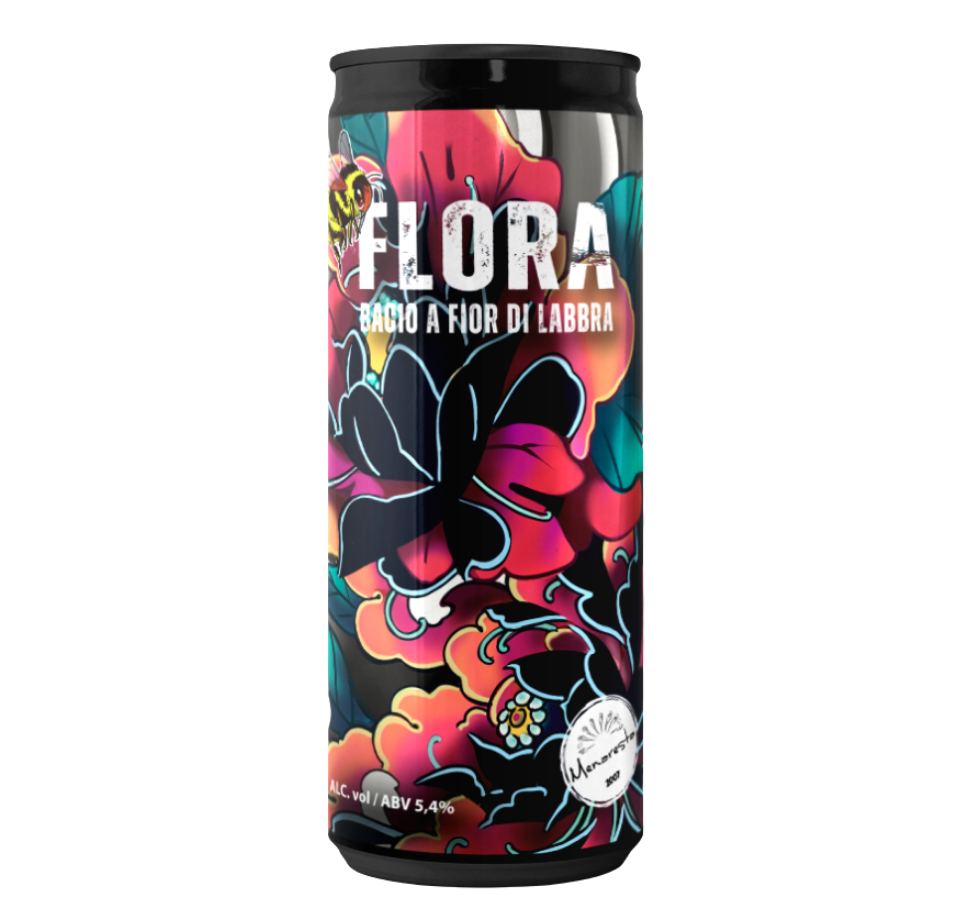
FLORA - Blonde Ale 33cl (24 cans)

GABIANA - HellerBock 33cl (24 cans)
The Origins of Brewerie Menaresta
The history of Brewerie Menaresta begins with its founder, Enrico Dosoli. Born in 1977, Enrico developed his interest in beer thanks to Dirk, a Belgian friend who had lived for several years in Liguria. This early introduction to Belgian beer culture gave him a different perspective on a drink that, in Italy at the time, was still largely associated with standard industrial lagers.
The idea of creating a brewing business became more concrete during Enrico’s studies at the Faculty of Agriculture in Milan, where the Italian craft beer association Unionbirrai was based. He later attended specialised courses and collaborated with companies involved in the design and testing of brewing equipment. His technical education was supported by a deeper passion for agriculture, raw materials and the transformation of natural products.
For Enrico, brewing represented the meeting point between scientific knowledge and practical creativity. It offered the opportunity to understand ingredients in detail while working directly with his hands. According to the official history, the entire project symbolically began with something as simple as a handful of malt placed in a basin.
In 2006, Enrico began developing the business concept together with his cousin Marco Rubelli. The following year, the two started production in Carate Brianza. Marco brought professional experience in food hygiene as well as a strong interest in popular traditions, human stories and the landscapes of Brianza, Liguria and the Mantua area. These different regions would later influence the cultural and visual identity of Menaresta.
From the beginning, the project was designed to be more than a technically competent brewing operation. The founders wanted each beer to express a connection with people, places and agricultural products. This intention remains visible in the names, recipes and labels that have shaped the Menaresta beer range over the years.
The name itself comes from the source of the Lambro River, an important geographical and cultural symbol for the Brianza area. The movement of the spring appears to alternate between flowing and stopping: in local language, it “mena” and “resta”. The name therefore suggests something that moves, pauses and remains alive, much like a naturally evolving beer.
The logo is equally connected with local culture. It reproduces the sperada, a traditional female hairstyle and ornament once worn by brides in Brianza. The ornament was used across different social classes, making it a symbol of community and shared identity.
This combination of
water, territory, popular tradition and human experience gave Brewerie Menaresta a clear identity
from its earliest years. Rather than inventing an abstract image for marketing purposes, the founders drew on the culture surrounding them.
Two Souls: Agricultural Culture and Brewing Expertise
Menaresta describes itself as having two complementary souls. The first is popular, agricultural, humorous and sometimes irreverent. The second is technical, professional and driven by continuous study and research.
These two sides are not in conflict. They work together to create beers that are original without becoming confusing and technically precise without feeling cold or overly serious.
The agricultural soul appears in the attention given to flowers, fruit, chestnuts, grains and other raw ingredients. It also emerges in the desire to transform the landscape into something that can be experienced through flavour. The technical soul is visible in recipe development, fermentation control, ingredient selection and the pursuit of consistency.
The production facility uses a 20-hectolitre brewing system and has operated in Brianza since September 2007. Over time, Menaresta developed a strong local presence while also achieving wider distribution and recognition throughout Italy.
The development of the brewing team has played an important role in this evolution. Food technologist and experienced homebrewer Marco Valeriani contributed to the creation of several successful recipes and helped represent Menaresta internationally. When he left in 2015 to follow his own professional path, Oscar Mancin joined the project, bringing training from the Slow Food brewing school in Pollenzo and a strong interest in traditional English beer styles.
In November 2025, food technologist and brewer Matteo Bonfanti also joined Menaresta after years of experience at Carrobiolo in Monza. His arrival marked another stage in the continuing development of the production team.
These contributions demonstrate that Italian craft brewing is often a collaborative process. A producer’s identity may begin with its founders, but it continues to evolve through the knowledge and sensitivity of the people who join the project.
Menaresta’s official philosophy places particular emphasis on the relationship between creative freedom and rigorous production control. The producer is known for unusual ingredients and unconventional fermentation methods, but it also creates carefully executed interpretations of styles that have played an important role in Italian beer culture.
The common element across this wide range is balance and drinkability. Even when a recipe is strong, complex or experimental, the different components should remain integrated. Aroma, bitterness, sweetness, acidity and alcohol must work together rather than competing for attention.
This philosophy explains why the Menaresta catalogue can include both accessible everyday beers and highly experimental creations without appearing disconnected. The objective is not to be unusual at any cost. Originality must always support the drinking experience.
Most Menaresta products have traditionally been top-fermented, reflecting an early Belgian background that was later expanded through British and American influences. More recently, the producer has also explored the clean flavour profiles and precision associated with bottom-fermented beer.
Menaresta states that its beers are unpasteurised and unfiltered, while production controls and brewing technology are used to support stability and shelf life. The recipes do not rely on malt extracts, hop extracts, artificial flavouring or antioxidants such as sulphites and ascorbic acid. Instead, the focus remains on raw ingredients, technique and careful management of every stage of production.
From Classic Beer Styles to Creative Fermentations
The diversity of the Brewerie Menaresta beers becomes easier to understand through the four main families used to organise production.
The first group includes accessible and highly drinkable recipes. These beers may be easy to approach, but they still maintain a recognisable personality. The range includes Kellerbier, Pilsner, Stout and Bitter styles, demonstrating Menaresta’s ability to work with classic European traditions.
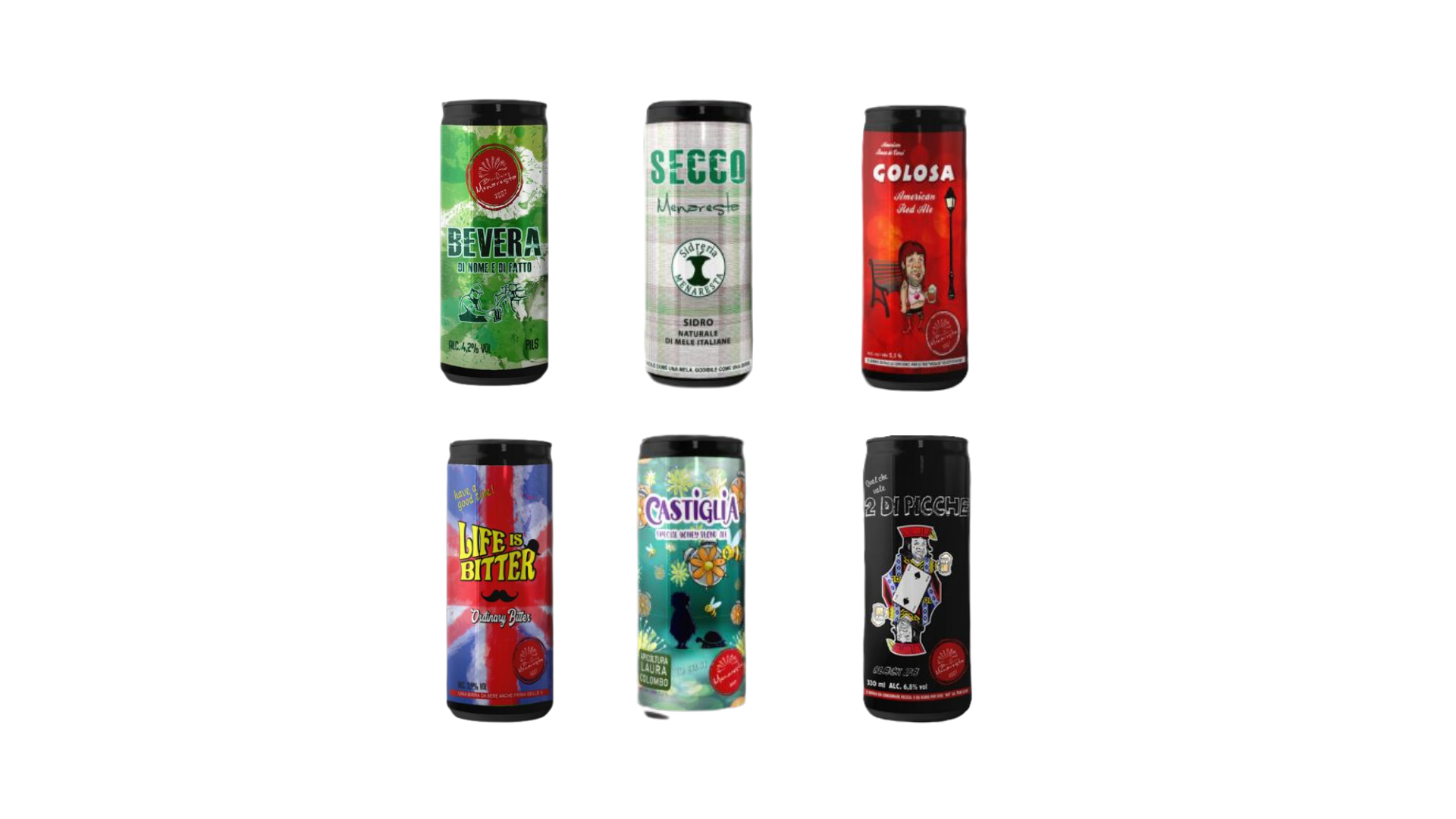
Bévera, for example, is a German-style Pilsner with a clean fermentation profile, a dry finish and a distinctive but controlled bitterness. Czech and German hops contribute herbal and floral characteristics, while delicate honey notes soften the overall profile. Its clarity and freshness make it an effective introduction to the technical side of Menaresta.
Life Is Bitter explores the British Bitter tradition. Compared with modern American IPAs, an English Bitter generally places greater emphasis on balance between malt, fermentation character and restrained hop bitterness. It is a style designed around drinkability rather than aromatic excess.
Pan-Negar, a Dry Stout, moves towards roasted flavours, offering a darker and drier interpretation of malt. The beer provides an alternative for drinkers who appreciate coffee, toasted grain and cocoa-like notes without requiring the sweetness or strength of an Imperial Stout.
The second family includes more expressive interpretations of recognised styles, particularly hop-forward recipes, Saison, Belgian-inspired beers and stronger dark ales. Here, Menaresta combines stylistic knowledge with contemporary brewing ideas.
Golosa, an American Pale Ale, represents the accessible side of modern hop culture. Pale Ales usually provide citrus, floral or tropical aromas while maintaining a moderate body and alcohol level. They offer the intensity expected by hop enthusiasts without the greater bitterness or strength associated with many IPAs.
2 di Picche, a Black IPA, creates a more complex contrast. The style combines the citrus, resin and fruit characteristics of American hops with the colour and lightly roasted flavours of darker malt. Achieving balance is especially important: excessive roasting can cover the hops, while excessive hopping can make the malt feel disconnected.
La P’IPA Cold shows Menaresta’s interest in contemporary brewing techniques. This gluten-free Cold IPA is brewed with polished rice to increase dryness and fermented at lower temperatures to achieve a clean and precise profile. Cryo hops and dry hopping provide concentrated aromas of citrus peel and white fruit while keeping the body lean and refreshing.
The third family contains the most concept-driven recipes. These beers begin with an inspiration, a story, an ingredient or an encounter rather than with the intention of reproducing a recognised style. Although they can be difficult to classify, Menaresta still aims to make them balanced and approachable.
Flora is one of the clearest examples. Every spring, flowers are harvested from the Brianza countryside. The current version uses fresh elderflowers collected from the Tuetera agroforestry oasis. Added to a Blonde Ale base, the flowers contribute aromas of white blossoms, honey and delicate fruit without overwhelming the beer’s freshness.
Flora demonstrates how beer and terroir can be connected without forcing the concept. The recipe does not simply add a generic floral aroma. It reflects a seasonal activity and a specific agricultural environment.
Gabiana is similarly connected with memory and landscape. Before founding Menaresta, Enrico Dosoli worked with vineyards and an agricultural consortium in the province of Savona, between the Ligurian mountains and the sea.
The beer is inspired by Gabiane chestnuts, a traditional product that is still dried in woodland buildings known as tecci. Based on the Hellerbock style, Gabiana combines honey and grain notes with chestnut and a delicate smoky character. Its warmth and structure are balanced by enough drinkability to prevent the beer from becoming excessively heavy.
These recipes illustrate the central idea behind Menaresta craft beer: ingredients are valuable not only for the flavours they produce but also for the stories they carry.
Barrel-Aged Beer, Wild Fermentation and Menaresta Cider
The fourth production family is dedicated to sour beer, wild fermentation and barrel ageing. These recipes represent the most experimental side of Menaresta and are associated with the Caution Barrication Area.
Barrel ageing changes beer through a combination of time, oxygen, wood and microorganisms. A barrel may release tannins and aromas from the wood itself or contribute traces of the wine, spirit or other liquid it previously contained. Wild yeasts and bacteria can introduce acidity, earthy notes and complex fermentation characteristics.
Unlike a standard beer intended for rapid packaging, a barrel-aged beer may evolve over months or years. The producer must monitor each vessel and decide whether the finished product should be released individually or blended with beer from other barrels.
Since 2009, Menaresta has produced Birra Madre, a distinctive beer fermented using sourdough starter from breadmaking. The project reflects Enrico Dosoli’s interest in agricultural transformation and microorganisms beyond conventional brewing yeast.
Using sourdough starter creates a connection between two ancient fermented products: bread and beer. Both begin with grain, water and microbial activity, but they normally follow separate production paths. Birra Madre brings these traditions back together through a highly original fermentation process.
These experimental beers show why Menaresta’s technical expertise is essential. Wild and mixed fermentation can produce extraordinary complexity, but it also introduces greater unpredictability. Careful cellar management, sensory analysis and patience are required to guide each beer towards a balanced result.
The same interest in agricultural fermentation led to the development of Sidreria Menaresta. The apples used for the cider are grown in Valtellina and selected under the supervision of artisan juice producer Marco Colzani, who transforms them into juice before fermentation.
Menaresta produces different ciders without added sulphites, artificial flavours or additional aromatic ingredients. The objective is to preserve the primary character of the apples while allowing fermentation and wood maturation to create greater complexity.
The resulting ciders are deliberately dry rather than excessively sweet. This makes them especially interesting for consumers who usually associate cider with simple, sugary apple drinks.
Secco, available in the Impronta Birraia selection, offers an accessible introduction to this part of the Menaresta project. Its presence alongside Pilsner, Pale Ale, Stout and Black IPA demonstrates that the producer’s identity extends beyond beer into a wider exploration of fermentation.
Discovering Brewerie Menaresta Through Its Beers
The history of Brewerie Menaresta can be understood intellectually, but it becomes much clearer through tasting. Each beer reveals a different aspect of the project.
Bévera highlights technical precision and classic European inspiration. Golosa introduces the American hop influence. Pan-Negar explores roasted malt, while Life Is Bitter expresses the restrained balance of British pub culture.
Flora and Gabiana reveal the relationship with flowers, agricultural traditions and personal memories. La P’IPA Cold represents the modern and highly technical side of the range, while Secco extends the experience into dry Italian cider.
The Impronta Birraia Shop category dedicated to Brewerie Menaresta beers brings these different identities together. The selection includes German Pilsner, Blonde Ale, Hellerbock, Dry Stout, American Pale Ale, English Bitter, gluten-free Kellerbier, cider, Black IPA, Scottish Strong Ale and gluten-free Cold IPA.
For those discovering Menaresta for the first time, comparing several styles is more informative than beginning with the strongest or most experimental product.
A tasting could start with Bévera, continue with Flora or Golosa, move towards Life Is Bitter or 2 di Picche and finish with Pan-Negar or Lamberscotch. This progression allows the palate to move from lighter and cleaner profiles towards increasingly malt-driven and structured flavours.
Lamberscotch, inspired by the Scottish Strong Ale tradition, offers notes of caramel, ripe fruit, dried fruit, raisins and toasted malt. Its fuller body and warming character make it suitable for slower drinking, particularly alongside mature cheeses, roasted meat or rich desserts.
The diversity of the range also supports different food-pairing possibilities. A Pilsner can accompany fried foods, pizza and fresh cheeses. A floral Blonde Ale works well with delicate vegetable dishes or soft cheese. American Pale Ale is suited to burgers, grilled meat and spicy dishes, while Dry Stout can be paired with smoked foods, shellfish or chocolate-based desserts.
These suggestions should not be treated as strict rules. The Menaresta philosophy encourages curiosity, and tasting is ultimately a personal experience. The objective is to understand how bitterness, sweetness, acidity, alcohol and aromatic intensity interact with food.
Why Brewerie Menaresta Matters in Italian Craft Beer
The history of Brewerie Menaresta demonstrates how an independent producer can remain connected with its territory while drawing inspiration from different brewing cultures.
Belgian beer influenced Enrico Dosoli’s earliest interest in the sector. British and American traditions later expanded the range, while German and Czech lagers introduced a different form of technical precision. Liguria, Brianza, Mantua and Valtellina contributed landscapes, memories and agricultural ingredients.
Menaresta does not simply reproduce these influences. It transforms them through its own language.
That language is based on contrast: popular culture and professional research, humour and precision, traditional styles and experimental fermentation, immediate drinkability and complex storytelling.
The producer’s identity is also built around people. Founders, brewers, agricultural partners, artists and collaborators have all contributed to its evolution. This human network is one reason the range feels diverse without appearing anonymous.
Above all, Menaresta shows that original Italian craft beer does not need to rely on extremes. A beer can be creative without becoming difficult, technically accurate without losing emotion and strongly connected with a place without becoming inaccessible to drinkers elsewhere.
Every Menaresta product offers two possible experiences. It can be enjoyed simply as a well-made drink, or it can be explored through the stories, ingredients and traditions behind it.
That combination of pleasure and meaning has allowed Brewerie Menaresta to become one of the most distinctive names in Northern Italian craft beer. Its beers continue to move between styles, regions and fermentation methods, but the central objective remains unchanged: creating characterful products that are balanced enough to invite another glass.


Share this article


