


Brewerie WAR: The Italian Agricultural Craft Beer Born from Barley Fields
This article has been written by Impronta Birraia
Introduction
The story of Brewerie WAR begins long before the first beer was brewed. Its origins lie in the fields of Cassina de’ Pecchi, near Milan, where the same family had been cultivating cereals for two generations.
After years of producing agricultural raw materials, the family decided to take a further step: transforming its own barley into a finished product with a distinctive identity. This decision led to the creation of an independent agricultural brewerie capable of connecting farming, malting, recipe development and beer production within a traceable supply chain.
Founded in 2017, Brewerie WAR has grown from a small operation housed in a former hay barn into a modern producer of Italian lagers, IPAs, Pale Ales, dark beers and creative limited editions.
Its identity is based on a simple but ambitious idea: beer should begin in the field, reflect the quality of its raw materials and remain open to continuous experimentation.
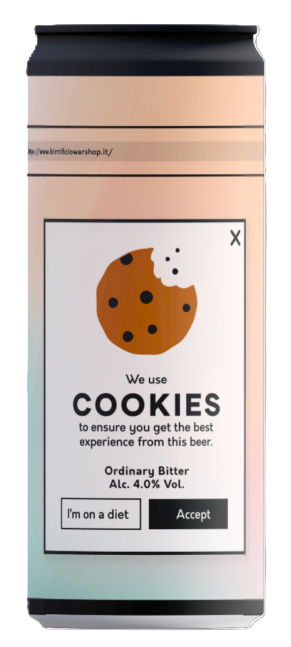
COOKIES - English Bitter 33cl (24 cans)
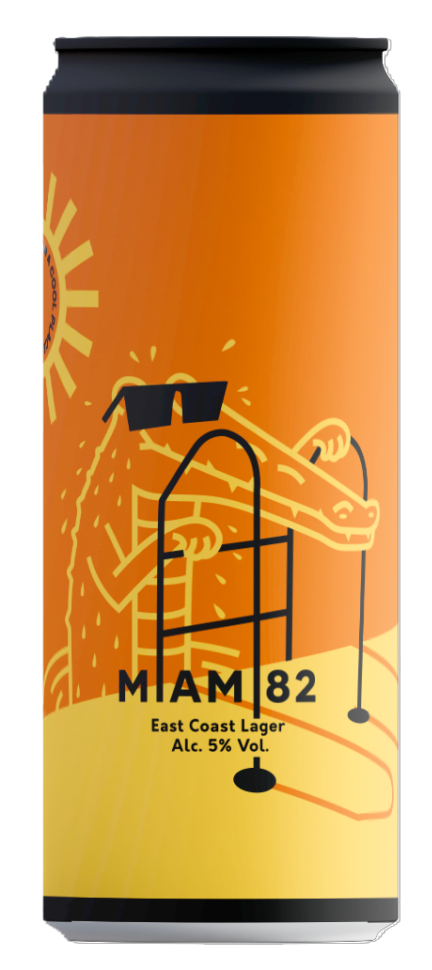
M AM 82 - India Pale Lager 33cl (24 cans)
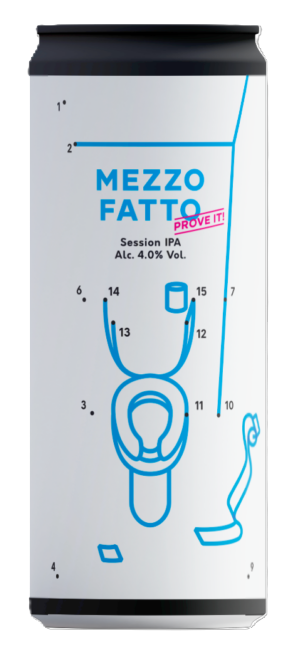
MEZZO FATTO - New England IPA 33cl (24 cans)
The Agricultural Origins of Brewerie WAR
Brewerie WAR was founded in Cassina de’ Pecchi, a municipality located east of Milan, at the headquarters of the family farm.
The project represented the natural continuation of an agricultural business that had cultivated cereals intensively for two generations. Rather than continuing to sell barley only as a raw commodity, the family decided to transform it into beer and create a product with greater cultural, commercial and sensory value.
Production officially began in 2017. During its first year, the company used approximately two hectares of cultivated land and produced around 500 hectolitres of beer. The project subsequently expanded to almost 17 hectares, with annual production reaching approximately 400,000 litres.
This growth did not remove the agricultural character of the business. On the contrary, farming remains at the centre of the WAR beer production chain.
The company produces more than 80% of the malt used in its beers from barley grown on its own land. This allows the team to supervise the process from the selection of the seeds to cultivation and harvesting. The only phase entrusted to an external company is the actual malting of the barley, which requires specialised equipment and technical expertise. The partner responsible for malting preserves the traceability of the grain throughout the process.
This approach gives Brewerie WAR direct control over one of the most important ingredients in beer. Malt provides fermentable sugars, but it also contributes colour, body, sweetness and aromas ranging from fresh bread and biscuits to caramel, cocoa and roasted coffee.
The quality of the finished beer therefore depends partly on decisions made months before brewing begins. The choice of barley variety, soil management, weather conditions and harvest timing all influence the grain that eventually reaches the production facility.
In this sense, WAR can be described as a genuine Italian farm-to-glass brewerie. The expression does not mean that every ingredient is produced on the farm—hops and yeast may come from different specialist suppliers—but it highlights the direct relationship between the family’s fields and the malt used in the recipes.
This relationship with agriculture also distinguishes WAR within the broader world of Italian craft beer. Many independent producers carefully select high-quality malt, but relatively few manage the cultivation of their own barley on such a significant scale.
For WAR, agriculture is not simply part of the brand’s storytelling. It is a practical element of production and a source of responsibility. Managing the land means making decisions that can influence quality, costs, sustainability and the long-term identity of the beers.
From the Old Hay Barn to a Modern Production Facility
The first WAR production site was created inside a former hay barn located at the heart of the family farm.
During the renovation, the building’s original character was preserved wherever possible, including its exposed roof trusses. The space therefore maintained a visible connection with its agricultural past while being transformed into a functional beer-production facility.
This first location represented the meeting point between two phases of the family business. The building that had once supported farming activities became the place where cultivated barley could be converted into a finished drink.
As demand increased, WAR invested in a new production building and a more efficient brewing system. The larger facility raised the potential output to approximately 20,000 litres per month and was designed to leave room for further expansion.
The packaging system also evolved. The company moved from relying exclusively on a bottling machine to using a faster canning line and equipment for filling kegs.
The adoption of cans became particularly important during the COVID-19 pandemic. At that time, WAR moved its entire production towards canned beer and reduced its permanent range from 12 beers to five. The decision helped the producer maintain continuity of supply and protect product quality during a period of major commercial uncertainty.
This reduction in the core range did not end experimentation. Instead, it created a stable group of recognisable beers around which the team could develop temporary and seasonal recipes.
WAR states that it continues to release one or two one-shot craft beers every month. These limited editions allow the brewers to test new hop combinations, fermentation approaches and interpretations of established styles without permanently expanding the main catalogue.
The balance between a focused core range and frequent limited releases is an important part of the WAR philosophy. Permanent products offer consistency and help customers recognise the producer’s identity. One-shot beers, on the other hand, create variety and allow the team to respond quickly to new ideas within international craft brewing.
The transition to aluminium cans also reflects practical and environmental considerations.
According to WAR, cans are lighter than glass bottles, easier to stack and more efficient to transport. They are hermetic, recyclable and capable of protecting beer from light, one of the factors that can damage hop aromas and create undesirable flavours.
The can also provides a large visual surface for creative design. This gives the producer greater freedom when presenting limited recipes and developing a recognisable visual identity.
Packaging alone cannot determine whether a product is sustainable, since the total impact also depends on agriculture, production, refrigeration and transport. Nevertheless, reducing packaging weight and improving shipping efficiency can make a meaningful difference across a large number of units.
Energy management is another part of the company’s development. In 2011, before the launch of the brewerie, the family farm installed a photovoltaic system. Although the installation does not provide complete energy independence, WAR reports that it supports almost all the energy requirements of the production facility.
The current operation is therefore the result of gradual development rather than a sudden industrial transformation. The former hay barn, the new building, the canning line, the cultivated fields and the photovoltaic panels all form part of the same evolving agricultural project.
Home-Grown Malt and the Many Styles of WAR Beer
The agricultural origins of Brewerie WAR might suggest a catalogue focused entirely on traditional, malt-driven beer. In reality, the producer works with a wide variety of European and American-inspired styles.
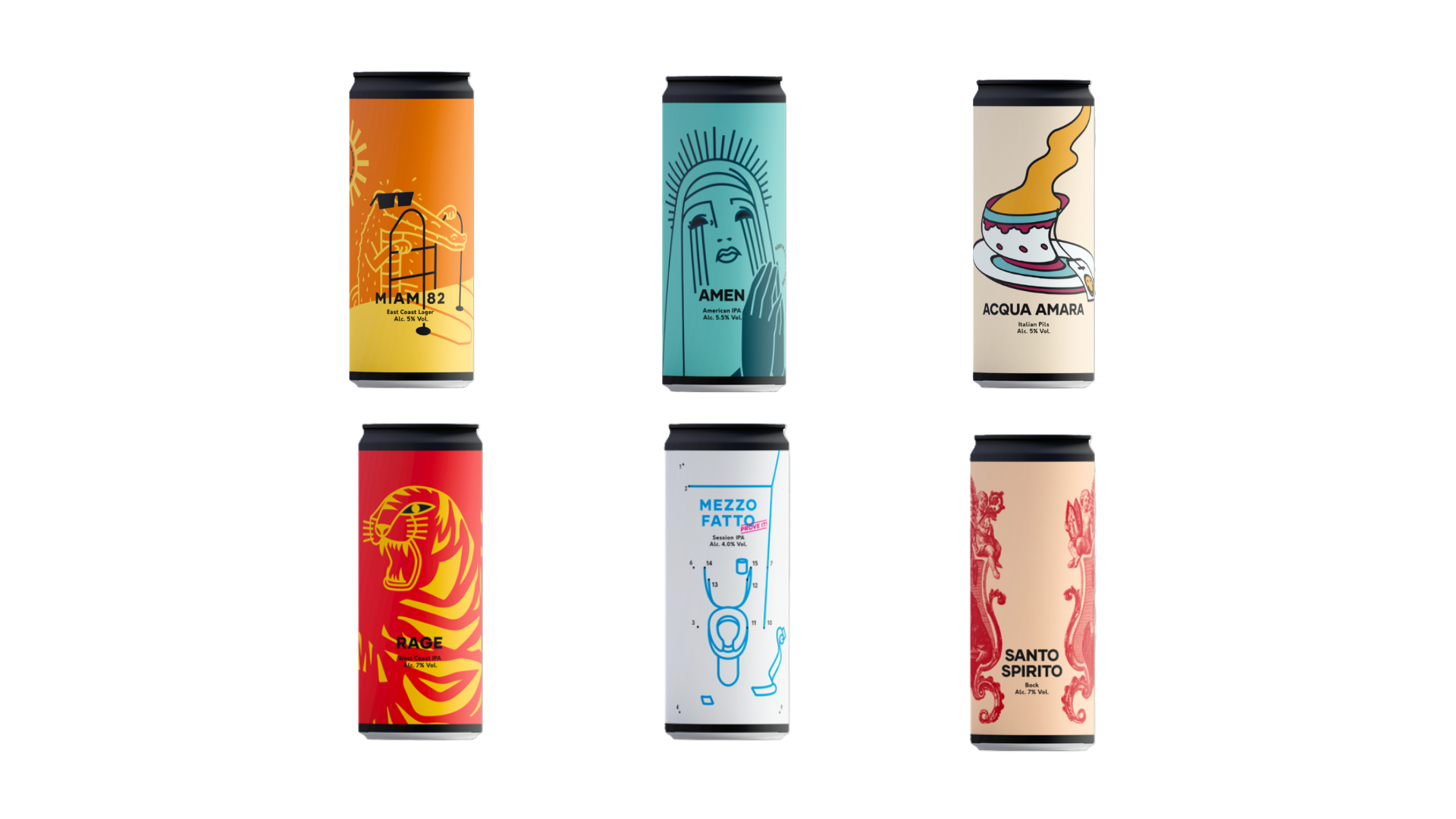
Its range includes Kellerbier, Italian Pilsner, India Pale Lager, English Bitter, American Pale Ale, New England IPA, West Coast IPA, Double IPA, Witbier, Porter, Belgian Tripel and dark German lager. The selection available through Impronta Birraia Shop demonstrates how WAR uses its agricultural foundation as a starting point for experimentation rather than as a stylistic limitation.
The clearest expression of the producer’s malt can be found in its lagers.
Franco is a Kellerbier characterised by delicate malt sweetness, bread-crust aromas, white flowers and a noticeable mineral quality. Its body remains agile, while the finish introduces moderate herbal bitterness and subtle notes of acacia honey.
Kellerbier is traditionally associated with unfiltered or naturally presented German lager. The style allows malt, yeast and gentle hopping to remain clearly visible without relying on excessive aromatic intensity.
For drinkers interested in understanding the agricultural side of WAR, Franco is a particularly useful starting point. Its relatively restrained flavour profile gives the grain room to express itself.
Acqua Amara moves towards the modern Italian Pilsner tradition. This style usually combines the clean fermentation and crisp body of a classic Pilsner with more expressive hopping, often introduced late in the process or through dry hopping.
M AM 82, an India Pale Lager, explores a similar meeting point between low-temperature fermentation and hop-forward character. The clean lager base allows the hops to appear precise and defined, while the malt maintains structure and balance.
The producer’s contemporary identity becomes even clearer in its Pale Ales and IPAs.
Amen is an American Pale Ale designed around citrus-driven bitterness and an accessible body. Compared with stronger IPAs, an American Pale Ale generally offers an easier drinking experience while preserving the aromas associated with modern hop varieties.
Rage is a West Coast IPA with intense resinous and tropical aromas. Lychee, guava and ripe American grape appear in the aromatic profile, followed by grapefruit, lime and lemongrass. A short initial sweetness gives way to an assertive but controlled bitter finish.
The West Coast IPA style is typically associated with dryness, clarity and pronounced bitterness. Its hop character often moves between citrus, pine, resin and tropical fruit. Rage follows this tradition while adding a fuller body capable of supporting its aromatic and alcoholic intensity.
Mezzo Fatto, a New England IPA, presents a different approach. New England IPAs are usually softer, hazier and more fruit-focused than their West Coast counterparts. Bitterness remains present but is less sharp, allowing aromas of tropical fruit and citrus juice to dominate.
The contrast between Rage and Mezzo Fatto makes it possible to explore how fermentation, malt composition and hopping techniques can create two very different interpretations of IPA.
Tutto Fatto increases the intensity further. Described by WAR as one of its flagship beers, this Double IPA has a deep golden colour with amber reflections and an expressive bouquet of strawberry grape, elderberries, nectarine, lychee and papaya. A subtle toasted-bread note adds depth to the fruit-driven profile.
Double IPA is a demanding style because alcohol, bitterness, malt sweetness and hop aroma must remain integrated. When one element becomes excessive, the beer can feel heavy, harsh or unbalanced. Tutto Fatto is designed to offer intensity while maintaining enough structure to support its aromatic complexity.
WAR also produces beers outside the hop-forward category.
Porto Bello is a Robust Porter with a dark mahogany colour and ruby reflections. Its aromatic profile includes toffee, cocoa nibs, toasted hazelnut, dried plum and cold-extracted coffee.
These flavours come mainly from carefully selected roasted and caramelised malts. The result offers a strong contrast with the citrus and tropical character of the IPAs, while still emphasising the importance of grain within the WAR production philosophy.
Santo Spirito, a dark German lager, combines roasted malt flavours with the clean fermentation expected from a lager. Compared with a porter or stout, a dark lager generally presents a smoother and more restrained roasted profile.
Gioia introduces fruit and spice through the Witbier tradition. Passion fruit aromas combine with coriander and citrus, while wheat and oats create a soft, silky texture. Bitterness remains low, allowing the fruit, cereal and spice notes to remain central.
Settimana Bianca, a Belgian Tripel, explores stronger alcohol, pale malt and the fruity or spicy compounds produced by expressive Belgian-style yeast.
Together, these beers demonstrate that Brewerie WAR craft beer cannot be reduced to a single recipe or flavour family. Its identity emerges from the dialogue between locally grown malt and a wide range of international brewing traditions.
Freshness, Cold Storage and Product Quality
WAR’s attention to the production chain does not end when the beer is placed in a can.
The producer places particular emphasis on storage temperature and has developed a communication project known as “Pescheria WAR”. The concept compares craft beer with fresh fish: both are living, delicate products that require careful temperature management.
WAR recommends storing its beer between 2°C and 6°C during transport and before consumption. The objective is to preserve aromatic freshness and slow the natural processes that cause beer to deteriorate over time.
This concern is especially relevant for hop-forward styles. The citrus, resinous and tropical aromas of IPA are highly sensitive to heat, oxygen and time. Poor storage can reduce their intensity and create sweeter, flatter or less defined flavours.
Unpasteurised beer requires particular attention. Pasteurisation increases microbiological stability by exposing the product to heat, but this treatment can also alter delicate aromas. Microfiltration can similarly remove microorganisms and suspended material while affecting some of the beer’s original sensory qualities.
Independent producers often avoid these processes to preserve freshness and flavour. The consequence is that the distribution chain becomes more important. Refrigerated storage and transport help ensure that the customer receives the beer in the condition intended by the producer.
This philosophy complements the agricultural identity of WAR. Controlling barley cultivation and brewing would have limited value if the finished product were allowed to deteriorate before reaching the glass.
For ecommerce customers, correct storage is equally important after delivery. Keeping the cans refrigerated, away from direct light and at a stable temperature can help protect the beer’s aroma and structure.
Lighter lagers and hop-forward beers should generally be consumed relatively fresh. Stronger beers and malt-driven dark styles may remain expressive for longer, although the ideal drinking period still depends on the individual recipe.
The emphasis on freshness also explains the importance of cans. Their hermetic structure and complete protection from light support the producer’s objective of preserving the beer from production to consumption.
Discovering Brewerie WAR on Impronta Birraia Shop
The most effective way to understand the identity of Brewerie WAR is to compare several different styles.
A tasting could begin with Franco or Acqua Amara, where clean fermentation allows the malt to remain clear. Amen can then introduce the citrus-driven side of American hops, followed by Mezzo Fatto or Rage to compare New England and West Coast interpretations.
Tutto Fatto provides a stronger and more structured hop experience, while Porto Bello or Santo Spirito can complete the tasting with roasted malt and darker flavours.
The Brewerie WAR craft beers available on Impronta Birraia Shop include a broad selection of lagers, Pale Ales, IPAs, dark beers, Belgian-inspired recipes and fruit beers.
Each style also offers different food-pairing possibilities.
Franco and Acqua Amara work naturally with pizza, fried appetisers, fresh cheeses and delicate cured meats. Their carbonation and bitterness can refresh the palate without overwhelming the food.
Amen is suited to burgers, grilled chicken and moderately spicy dishes. Rage and Tutto Fatto have enough aromatic intensity to accompany barbecue, mature cheeses and strongly flavoured meat.
Gioia can be paired with seafood, fresh salads or light dishes involving citrus and herbs. Porto Bello works well with smoked meat, roasted foods, chocolate desserts and aged cheese.
These combinations should be treated as starting points rather than fixed rules. Personal preference remains central, and tasting different beers alongside food is part of the experience offered by craft production.
For customers who are unfamiliar with the producer, choosing several styles rather than multiple cans of the same beer creates a clearer picture of its capabilities. The contrast between a Kellerbier, an IPA and a Robust Porter reveals how the same agricultural foundation can be adapted to very different recipes.
Why Brewerie Menaresta Matters in Italian Craft Beer
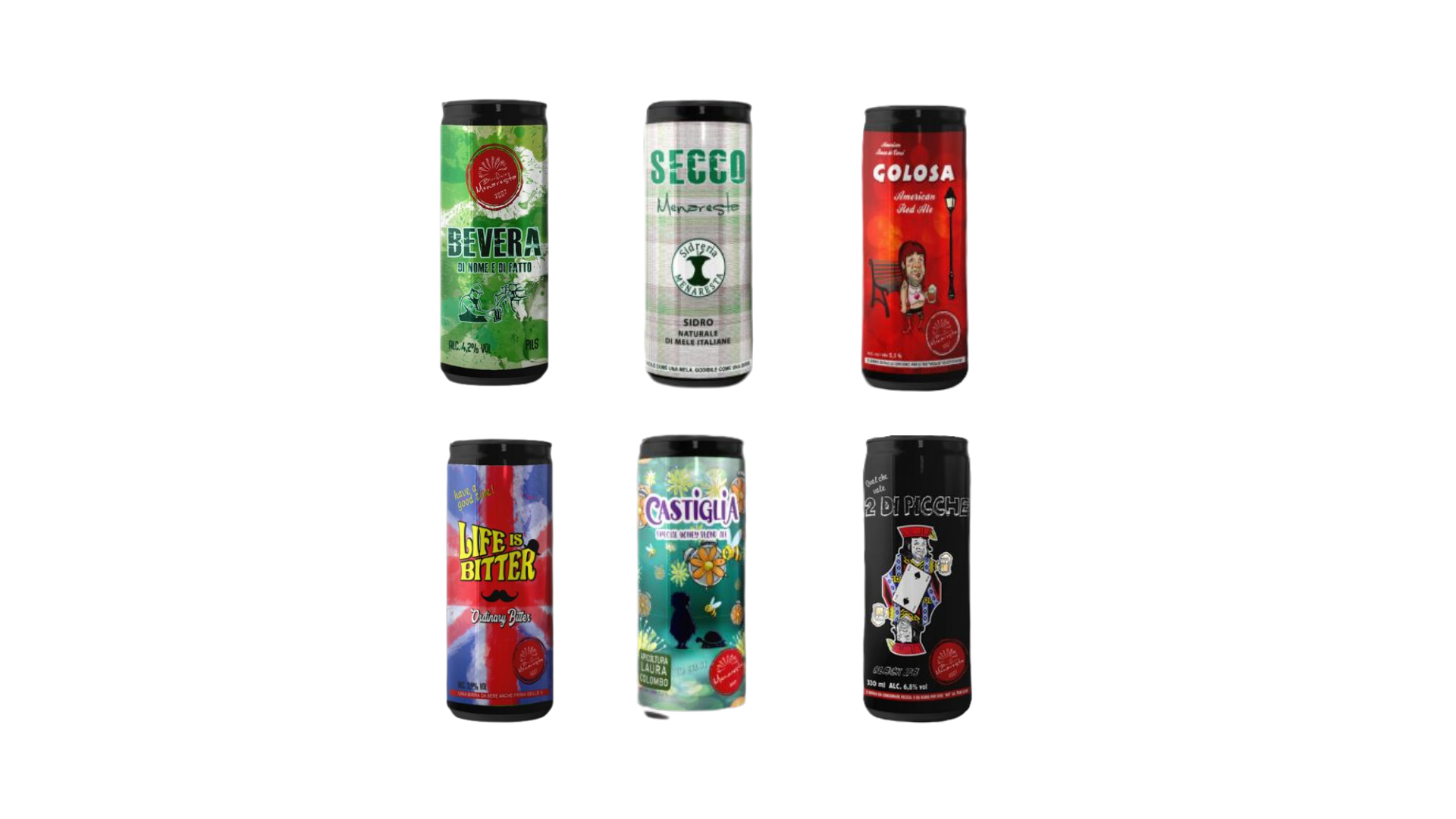
The history of Brewerie Menaresta demonstrates how an independent producer can remain connected with its territory while drawing inspiration from different brewing cultures.
Belgian beer influenced Enrico Dosoli’s earliest interest in the sector. British and American traditions later expanded the range, while German and Czech lagers introduced a different form of technical precision. Liguria, Brianza, Mantua and Valtellina contributed landscapes, memories and agricultural ingredients.
Menaresta does not simply reproduce these influences. It transforms them through its own language.
That language is based on contrast: popular culture and professional research, humour and precision, traditional styles and experimental fermentation, immediate drinkability and complex storytelling.
The producer’s identity is also built around people. Founders, brewers, agricultural partners, artists and collaborators have all contributed to its evolution. This human network is one reason the range feels diverse without appearing anonymous.
Above all, Menaresta shows that original Italian craft beer does not need to rely on extremes. A beer can be creative without becoming difficult, technically accurate without losing emotion and strongly connected with a place without becoming inaccessible to drinkers elsewhere.
Every Menaresta product offers two possible experiences. It can be enjoyed simply as a well-made drink, or it can be explored through the stories, ingredients and traditions behind it.
That combination of pleasure and meaning has allowed Brewerie Menaresta to become one of the most distinctive names in Northern Italian craft beer. Its beers continue to move between styles, regions and fermentation methods, but the central objective remains unchanged: creating characterful products that are balanced enough to invite another glass.
Why Brewerie WAR Represents Modern Italian Agricultural Beer
The history of Brewerie WAR shows how agriculture and contemporary brewing can develop together.
The company did not create a beer brand and later add an agricultural narrative. The fields came first. The brewerie emerged from the desire to transform family-grown barley into a finished product capable of expressing greater value and identity.
This origin has given WAR control over a significant part of its raw-material supply chain. More than 80% of the malt comes from its own production, while cultivation decisions begin with seed selection and continue through harvesting and traceable malting.
At the same time, the producer has avoided becoming stylistically conservative. Its range includes traditional German-inspired lagers, British ales, Belgian Tripel, modern American IPAs, dark beers and fruit-influenced recipes.
Agriculture provides continuity, while experimentation keeps the catalogue dynamic.
The expansion from two to almost 17 hectares, the construction of a larger facility and the transition to a modern canning system demonstrate significant growth. Yet the original idea remains visible in every product: converting barley cultivated by the family into beer with a clear and recognisable personality.
This combination makes WAR an important example of Italian agricultural craft beer. It reconnects a modern beverage with the land from which one of its essential ingredients originates.
The project also reminds consumers that beer is fundamentally an agricultural product. Before malt becomes a source of bread, caramel or roasted aromas, it begins as grain growing in a field. Before the beer reaches a can, it passes through cultivation, harvesting, malting, mashing, boiling, fermentation, maturation and packaging.
By managing much of this process directly, Brewerie WAR offers more than an interesting origin story. It gives drinkers the opportunity to taste the relationship between agricultural experience, technical production and contemporary creativity.
Every lager, IPA or dark beer represents a different interpretation of that relationship. The styles may change, but the starting point remains the same: barley grown beside the producer, transformed with precision and designed to be enjoyed fresh.
Share this article


