

Brewerie Wild Raccoon: Where Science, Cinema and Italian Craft Beer Meet
This article has been written by Impronta Birraia
Introduction
A molecular biotechnologist, an experienced homebrewer, a beer judge and a cinema enthusiast may appear to have four very different identities. In the story of Brewerie Wild Raccoon, however, these interests belong to the same person and form the foundation of a distinctive brewing project.
Born in Udine from an idea developed by Filippo, Wild Raccoon combines scientific knowledge, modern brewing techniques and a strong passion for the world of cinema. Its beers are designed not only to deliver recognisable aromas and flavours, but also to create experiences shaped by atmosphere, storytelling and visual imagination.
From intensely aromatic IPAs to clean lagers, smoked Bocks and rich dark beers, the Wild Raccoon range demonstrates how technical precision can support creativity rather than limit it. Every recipe represents a new scene in a broader story built around curiosity, experimentation and uncompromising attention to quality.
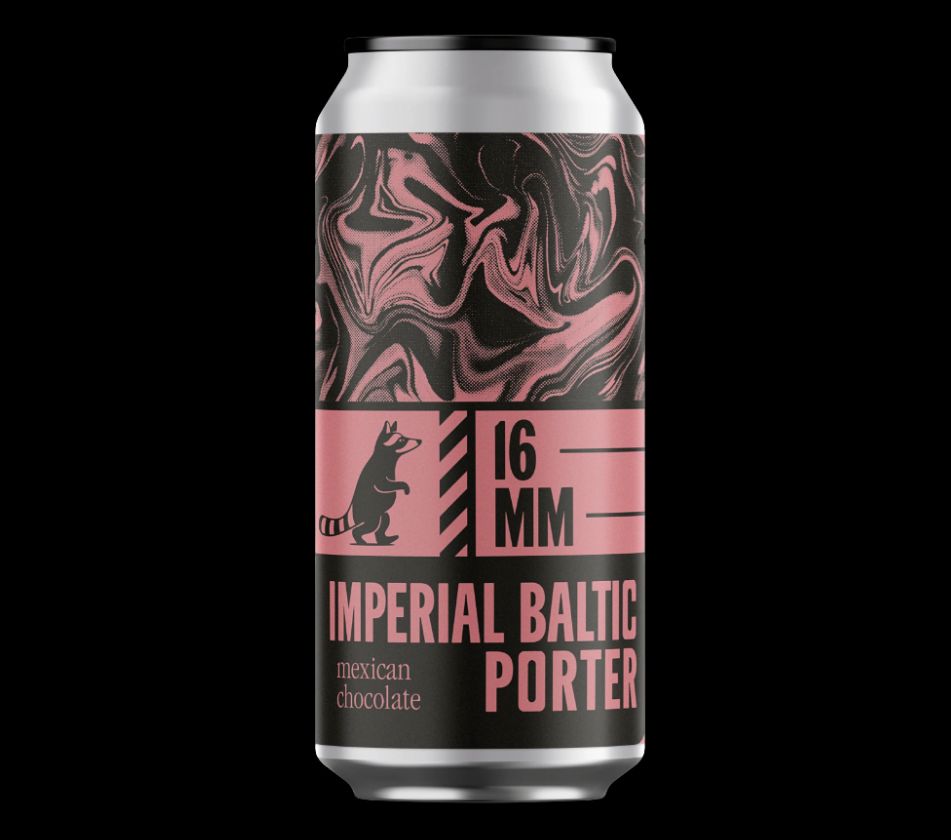
IMPERIAL BALTIC PORTER WITH MEXICAN CHOCOLATE - 44cl (24 cans)
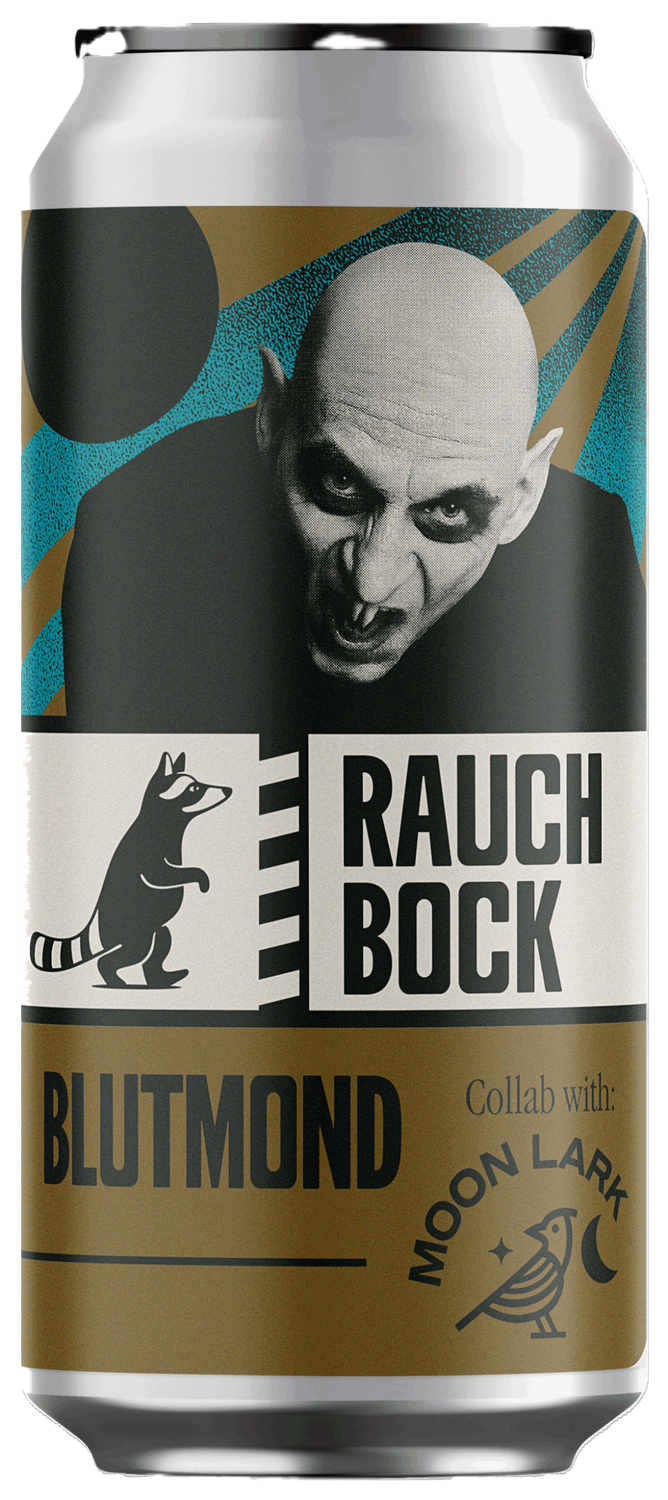
RAUCHBOCK - 44cl (24 cans)
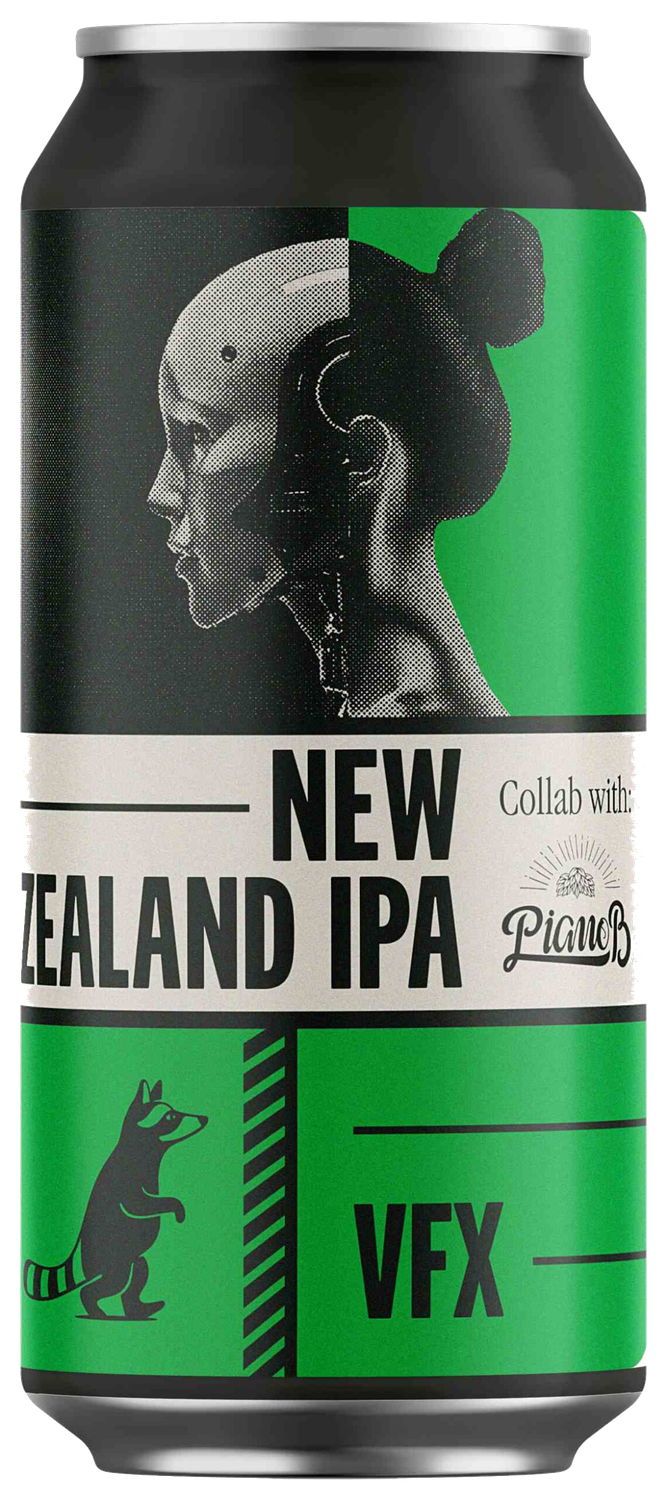
VFX - New Zealand IPA 44cl (24 cans)
The Origins of Brewerie Wild Raccoon in Udine
The history of Brewerie Wild Raccoon has its roots in Udine, in the north-eastern Italian region of Friuli-Venezia Giulia.
The original idea came from Filippo, a molecular biotechnologist who was also an experienced homebrewer, beer judge and passionate cinema enthusiast. Instead of treating these interests as separate activities, he decided to bring them together in a single project dedicated to innovative and modern beer.
His scientific background provided an understanding of microorganisms, fermentation and analytical control. Homebrewing offered practical experience in developing recipes, choosing raw materials and managing the different phases of production. His activity as a beer judge added a sensory perspective, helping him evaluate balance, stylistic accuracy and possible technical defects.
Cinema introduced a completely different dimension: the ability to communicate through characters, scenes, atmosphere and visual references.
These elements formed the basis of a clear objective. Brewerie Wild Raccoon would produce original beers with strong personalities, using modern styles and carefully selected ingredients while paying close attention to every production detail.
The project was not created simply to reproduce established recipes. Its purpose was to challenge conventional expectations and transform beer into a more complete experience. Each can could become the starting point for a journey, much like the opening scene of a film.
This connection with cinema remains one of the most recognisable aspects of the Wild Raccoon identity. Product names frequently evoke iconic characters, memorable scenes or familiar cinematic worlds. The references create expectations before the can is opened, preparing the drinker for the style and emotional character of the beer.
A dramatic title may introduce an intense and resinous IPA. A darker reference can prepare the palate for roasted malt, smoke or warming alcohol. A playful name may accompany a lighter and more immediately drinkable recipe.
The visual identity therefore works together with the beer rather than existing as a separate marketing element. The label creates the setting, while aroma, flavour and mouthfeel complete the experience.
The raccoon itself is an appropriate symbol for this philosophy. Curious, intelligent and constantly attracted to the unknown, the animal reflects the producer’s desire to explore new ingredients, techniques and flavour combinations.
Curiosity is essential within modern Italian craft beer. The international brewing landscape changes rapidly, introducing new hop varieties, yeast strains, fermentation methods and ingredient-processing technologies. A contemporary producer must understand these developments while deciding which ones can genuinely improve the drinking experience.
Wild Raccoon approaches this challenge through a combination of research and imagination. Experimentation is encouraged, but it must be supported by technical knowledge and a clear sensory objective.
A Scientific Brewing Method with No Compromises
The production philosophy of Brewerie Wild Raccoon begins with a direct principle: no compromises.
The producer uses water from the mountains of Friuli, carefully selected malts, quality fruit and chosen hop varieties. However, its method also recognises that excellent raw materials cannot guarantee excellent beer on their own. Equipment, hygiene, fermentation management and quality control are equally important.
For this reason, Wild Raccoon designed a custom brewing system capable of meeting its specific production requirements. A purpose-built system can provide greater control over temperatures, transfers, ingredient additions and cleaning procedures.
These details influence every recipe. A small variation in mash temperature can change the fermentability and body of the beer. The timing of a hop addition can determine whether the hops contribute primarily bitterness, flavour or aroma. Oxygen entering the beer during production or packaging can reduce freshness and damage delicate hop compounds.
Wild Raccoon places particular importance on fermentation and yeast management.
The producer follows a well-known brewing principle: the brewer creates the wort, but yeast creates the beer. Wort provides sugars, nutrients, bitterness and flavour precursors. During fermentation, yeast transforms those sugars into alcohol and carbon dioxide while producing many of the aromatic compounds that define the final drink.
Different yeast strains can generate completely different results. Some create clean and neutral profiles that allow malt and hops to remain clear. Others produce notes of spice, banana, stone fruit, citrus or tropical fruit.
The health of the yeast is therefore essential. Weak, stressed or contaminated yeast may ferment slowly, stop before completing the process or create unwanted flavours.
Inside its internal laboratory, Wild Raccoon manages yeast propagation and monitors its quality throughout the different stages of production. The available instruments also allow the team to examine the beer before and after packaging.
The producer reports using spectrophotometric analysis, microbiological cultures and molecular genetics as part of its quality-control activities. These tools support greater consistency and make it possible to identify potential problems that may not yet be noticeable through taste or aroma.
A spectrophotometer can be used to analyse specific characteristics by measuring how a sample absorbs light. Microbiological cultures help identify the presence of unwanted microorganisms, while molecular methods can provide more detailed information about yeast and possible contamination.
This scientific approach does not turn beer into a standardised laboratory product. Instead, it gives the production team greater control over the creative result.
The relationship between science and creativity becomes especially important when working with very different styles.
A Helles lager requires clean fermentation, careful temperature control and a restrained aromatic profile. A New England IPA depends on the interaction among yeast, malt proteins and large quantities of aromatic hops. A strong dark beer needs yeast capable of completing fermentation despite increasing alcohol levels and a complex concentration of sugars.
Producing all these styles successfully requires more than following a recipe. The team must understand how ingredients and microorganisms behave under different conditions.
The laboratory allows Brewerie Wild Raccoon to explore without losing precision. Bold flavours and unconventional concepts can be developed on top of a technically controlled foundation.
From Modern IPAs to Lagers and Dark Beers
Hop-forward recipes play a major role in the identity of Brewerie Wild Raccoon, but the catalogue extends far beyond a single interpretation of IPA.
The producer works with New England IPA, West Coast IPA, New Zealand IPA, Double IPA, Helles, Golden Ale, Czech dark lager, smoked Bock and Imperial Baltic Porter, among other styles. The range available on Impronta Birraia Shop reflects this diversity, bringing together refreshing beers, intensely aromatic recipes and darker products with fuller structures.
Eternal, Shiny & Chrome represents the more aggressive and resinous side of modern hop culture. Inspired by the energy of a journey through the desert, this West Coast-style beer combines pine needles, grapefruit, papaya and intense resinous notes.
Galaxy and Vic Secret hops guide its aromatic profile, while a dry body and pronounced bitterness create a decisive finish. The result is designed for drinkers who appreciate a clear, powerful and uncompromising expression of hops.
The West Coast IPA style is traditionally associated with dryness, clarity and assertive bitterness. Citrus, pine and resin often dominate the aroma, while the malt provides enough structure to support the hops without introducing excessive sweetness.
Excommunicado 2, created in collaboration with 1001 Birre, follows this direction through a combination of Waimea, Chinook and Citra hops. Grapefruit and orange-juice aromas are accompanied by dank nuances and a sharp bitter finish.
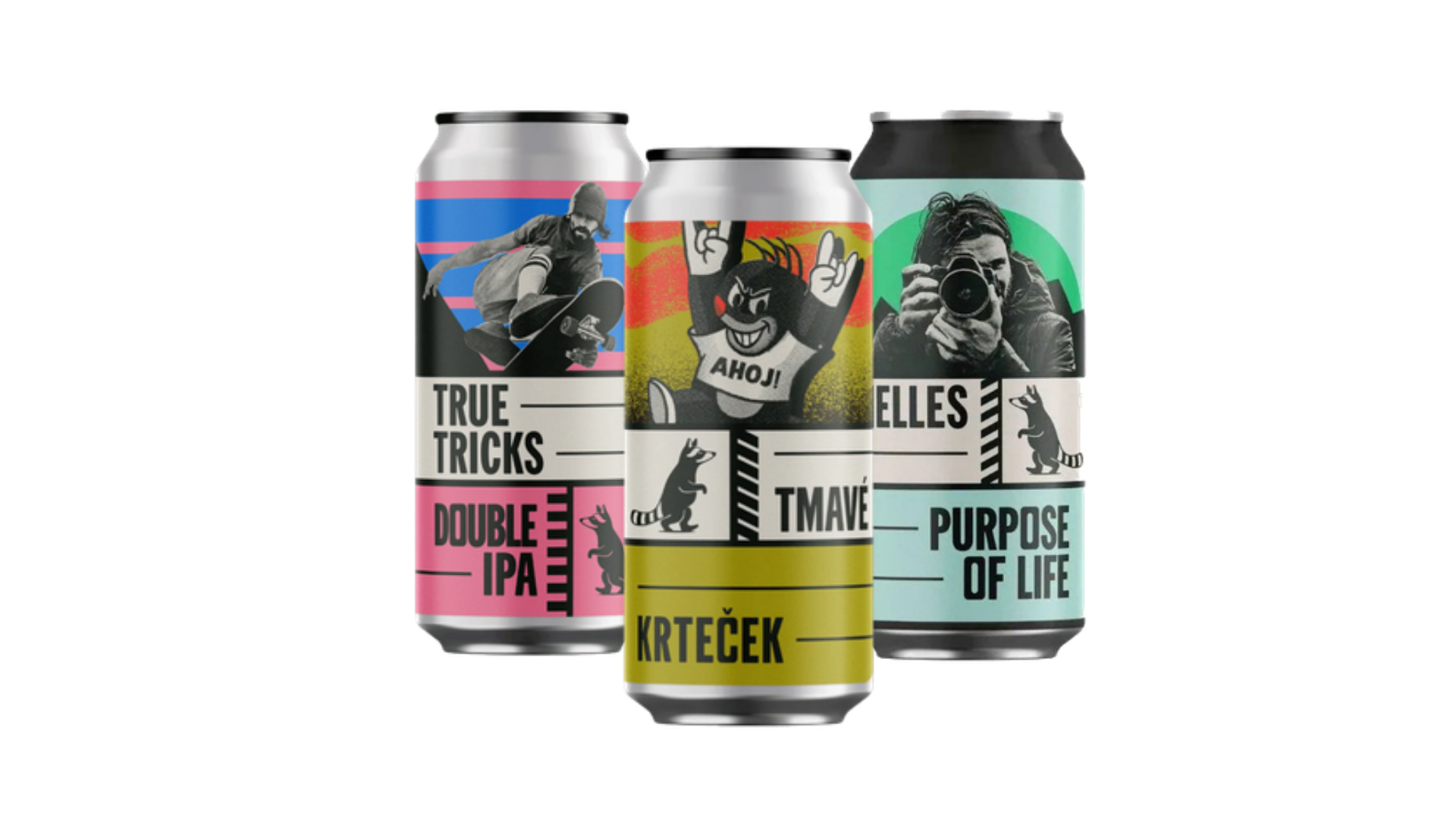
True Tricks increases both strength and aromatic intensity. This Double IPA uses Chinook, Citra and Simcoe to develop notes of grapefruit, lime, lychee and pine.
A Double IPA must balance several potentially dominant elements. High alcohol, concentrated hops, bitterness and malt sweetness can easily compete with one another. The recipe therefore needs sufficient body to support its intensity without becoming heavy or excessively sweet.
The softer side of the Wild Raccoon hop range can be found in beers such as No Man Can Kill Me.
This New England IPA combines Strata, Mosaic and Nelson Sauvin hops, creating aromas of passion fruit, gooseberry, strawberry and pine. Its hazy appearance and softer mouthfeel distinguish it from the sharper and drier West Coast recipes.
New England IPA generally places less emphasis on direct bitterness and more on saturated fruit aromas, body and texture. The style often uses cereals rich in proteins, expressive yeast strains and generous dry hopping to produce a smooth, juice-like character.
VFX, a New Zealand IPA, explores the distinctive profile of hops from New Zealand. These varieties are often associated with white grape, gooseberry, lime, tropical fruit and citrus. The beer provides a useful contrast with American-style recipes built primarily around pine, resin and grapefruit.
Despite its strong focus on hops, Wild Raccoon also demonstrates an ability to create clean and restrained beer.
Purpose of Life is a Helles lager with delicate bread-like malt aromas, a smooth body and a clean finish. The recipe shows that subtle beer can require as much precision as a highly aromatic IPA.
In a Helles, there are few intense flavours capable of hiding fermentation defects or poor balance. Malt sweetness, hop bitterness and yeast character must remain controlled, making the style a particularly effective test of technical consistency.
The Order of Ni, a Golden Ale, offers another accessible profile, while Good Bye Winter explores the richer malt character of an amber lager.
Dark beers introduce a different group of ingredients and sensations.
Krteček is a Czech dark lager built around caramelised malts, chocolate nuances, hazelnut and a light touch of honey. Its lager fermentation helps maintain a clean finish, preventing the darker malt character from becoming excessively heavy.
Rauchbock moves towards smoke, toasted grain and bread. Notes of wholegrain bread crust and rye emerge from a full-bodied structure, creating an atmospheric beer that evokes fire and wood.
Smoked beer can be challenging because the aromatic intensity of smoked malt must remain integrated with sweetness, alcohol and body. When properly balanced, smoke becomes part of the beer’s structure rather than covering every other flavour.
At the richer end of the catalogue, the Imperial Baltic Porter with Mexican Chocolate combines cocoa and chocolate with a delicate chilli warmth. Its full body and higher strength support a beer designed for slow and attentive drinking.
All the Layers Peanut, a Pastry Stout inspired by a peanut-butter cupcake, offers a sweeter and more dessert-oriented experience. Himalayan salt introduces a contrasting mineral quality that helps balance the rich, velvety character.
These recipes demonstrate the breadth of the Wild Raccoon project. The same producer can move from a clean lager to a resinous IPA, from a smoky Bock to a rich Pastry Stout, while maintaining a coherent focus on character and sensory impact.
Cinema, Storytelling and the Wild Raccoon Experience
The relationship between craft beer and cinema is more meaningful than it may initially appear.
Both experiences develop through a sequence. A film begins by establishing its atmosphere, introducing characters and creating expectations. A beer follows a comparable sensory progression.
The appearance provides the first impression. Colour, clarity and foam begin to suggest the style before the drink reaches the nose.
Aroma creates the next stage, introducing citrus, tropical fruit, bread, smoke, chocolate or spice. The first sip then reveals body, carbonation, sweetness, acidity and bitterness. Finally, the finish determines which flavours remain and how the complete experience will be remembered.
Wild Raccoon uses cinema as a language through which this progression can be communicated.
Names and label designs establish a scene before tasting begins. A reference associated with action or speed prepares the drinker for energy and intensity. A fantasy-inspired name can introduce a hazy, aromatic beer, while a darker cinematic concept can accompany smoke, roasted malt or warming alcohol.
This approach is especially useful within an ecommerce environment. Customers cannot taste or smell a product through a screen, so style descriptions, visual identity and storytelling must communicate what the beer may offer.
The technical name of the style provides essential information. Terms such as West Coast IPA, New England IPA, Helles or Rauchbock help experienced drinkers understand the general profile.
The cinematic concept adds emotion and memorability.
The two elements must remain connected. Strong visual communication cannot compensate for an unbalanced product, just as technically correct beer may struggle to stand out when it lacks a clear identity.
Wild Raccoon brings these elements together. Scientific control supports reliable quality, modern recipes create sensory interest and cinema gives each beer a recognisable narrative world.
Collaboration also plays an important part in this creative process. Recipes produced with other Italian and international beer professionals introduce new ingredients, perspectives and techniques.
Collaboration beers are common within contemporary craft culture because they allow different teams to exchange knowledge rather than operate in complete isolation. Each producer contributes its experience, while the finished recipe becomes a temporary meeting point between two identities.
For Wild Raccoon, this exchange fits naturally with a philosophy based on curiosity. New hop combinations, yeast approaches and stylistic interpretations can be explored while maintaining the technical controls required for consistency.
Discovering Brewerie Wild Raccoon on Impronta Birraia Shop
The best way to understand the identity of Brewerie Wild Raccoon is to compare beers from different stylistic families.
A hop-focused tasting could begin with VFX, continue with No Man Can Kill Me and finish with Eternal, Shiny & Chrome or True Tricks. This sequence would reveal the difference between New Zealand hops, the soft and fruit-driven character of New England IPA and the sharper bitterness of West Coast or Double IPA.
A broader tasting could start with Purpose of Life, move towards The Order of Ni and conclude with Krteček, Rauchbock or an Imperial Baltic Porter.
The Brewerie Wild Raccoon craft beer range available on Impronta Birraia Shop includes hop-forward IPAs, balanced lagers, dark beer and experimental specialities. The products are offered primarily in 44-cl cans, a format that provides enough volume to appreciate the evolution of complex aromas and flavours.
The range also offers several food-pairing possibilities.
Purpose of Life can accompany pizza, fried foods, fresh cheeses and delicate cured meats. Its clean finish and carbonation help refresh the palate without overwhelming the dish.
VFX and No Man Can Kill Me work well with spicy food, grilled chicken, burgers and dishes involving citrus or aromatic herbs. Their tropical aromas can either complement the ingredients or create an effective contrast.
West Coast and Double IPAs such as Eternal, Shiny & Chrome and True Tricks have enough bitterness and intensity to accompany barbecue, mature cheeses and strongly flavoured meat.
Rauchbock can be paired with smoked meat, sausages, roasted vegetables and aged cheese. The connection between smoke in the beer and toasted or grilled flavours in the food creates a natural bridge.
Krteček suits roasted meat, mushroom dishes and caramelised vegetables, while the Imperial Baltic Porter and All the Layers Peanut can be enjoyed with chocolate desserts, dry pastries or blue cheese.
These combinations are not strict rules. Personal taste remains essential, and one of the pleasures of craft beer lies in discovering unexpected pairings.
Mixed tasting selections offer another useful way to explore the producer. The tasting boxes available through Impronta Birraia Shop combine lighter, hop-forward and dark beers, creating a progression through different levels of intensity.
For customers approaching the producer for the first time, this type of selection presents a more complete experience than choosing several cans of only one recipe.
Why Brewerie Wild Raccoon Stands Out in Italian Craft Beer
The story of Brewerie Wild Raccoon represents a contemporary stage in the evolution of Italian craft beer.
Earlier independent producers had to introduce many consumers to the basic idea of beer made outside the industrial system. Modern producers operate in a different market, where terms such as IPA, stout and craft lager are already familiar to a growing audience.
The current challenge is to build a recognisable identity while maintaining technical quality in an increasingly competitive environment.
Wild Raccoon responds through three closely connected elements.
The first is scientific precision. Yeast propagation, microbiological monitoring and laboratory analysis help protect quality and consistency.
The second is creative brewing. Modern hops, different fermentation profiles, smoke, chocolate, fruit and expressive dark malts allow the producer to work across contrasting styles.
The third is cinematic storytelling. Names, visual identities and flavour descriptions transform each product into a more memorable experience.
None of these elements would be enough alone. Scientific knowledge without creativity could produce technically correct but forgettable beer. Experimentation without control could lead to inconsistency. Attractive labels without product quality would quickly lose credibility.
By combining all three, Brewerie Wild Raccoon has created a distinctive position within contemporary Italian brewing.
Its beers invite customers to explore different sensory worlds while remaining supported by a rigorous production method. Some are bright, dry and refreshing. Others are hazy and tropical, intensely bitter, smoky or rich enough to resemble a dessert.
The styles change, but the underlying objective remains consistent: creating modern beer that offers originality, technical precision and a clear emotional identity.
Like a memorable film, a successful beer continues to leave an impression after the final scene—or the final sip—has ended.
Why Brewerie WAR Represents Modern Italian Agricultural Beer
The story of Brewerie Wild Raccoon represents a contemporary stage in the evolution of Italian craft beer.
Earlier independent producers had to introduce many consumers to the basic idea of beer made outside the industrial system. Modern producers operate in a different market, where terms such as IPA, stout and craft lager are already familiar to a growing audience.
The current challenge is to build a recognisable identity while maintaining technical quality in an increasingly competitive environment.
Wild Raccoon responds through three closely connected elements.
The first is scientific precision. Yeast propagation, microbiological monitoring and laboratory analysis help protect quality and consistency.
The second is creative brewing. Modern hops, different fermentation profiles, smoke, chocolate, fruit and expressive dark malts allow the producer to work across contrasting styles.
The third is cinematic storytelling. Names, visual identities and flavour descriptions transform each product into a more memorable experience.
None of these elements would be enough alone. Scientific knowledge without creativity could produce technically correct but forgettable beer. Experimentation without control could lead to inconsistency. Attractive labels without product quality would quickly lose credibility.
By combining all three, Brewerie Wild Raccoon has created a distinctive position within contemporary Italian brewing.
Its beers invite customers to explore different sensory worlds while remaining supported by a rigorous production method. Some are bright, dry and refreshing. Others are hazy and tropical, intensely bitter, smoky or rich enough to resemble a dessert.
The styles change, but the underlying objective remains consistent: creating modern beer that offers originality, technical precision and a clear emotional identity.
Like a memorable film, a successful beer continues to leave an impression after the final scene—or the final sip—has ended.
Share this article


